The Future of Work & Catching Trends with Nadia Harris: The Remote Work Advocate
- future of work
- remote work
- legal

Remote Work Advocate Nadia Harris on the future of work: ditching proximity bias, measuring impact over presence, and building remote as a strategic advantage.
Quick answer
What does Nadia Harris say the future of remote work looks like?
Nadia Harris, the Remote Work Advocate, argues the future of work is about what you deliver and how, not where you sit. She urges companies to drop proximity bias, start with a simple SWOT analysis, and build data driven, results based operations before Gen Z becomes the main workforce. Done right, she calls remote work a win-win: productive employers and employees who gain choice.
- Proximity bias, favouring the people you can physically see, is the biggest management trap Nadia calls out.
- Her starting advice: run a SWOT analysis, then build an agile, data driven strategy with proper KPIs and OKRs.
- Gen Z, digitally native, will soon be the main workforce and will not fit into industrial era patterns.
- Nadia gave this interview while on a workation in Switzerland; her favourite workation spot is Abu Dhabi.
- She went from lawyer to remote work pioneer, and tells advocates to lead with passion, data and example.
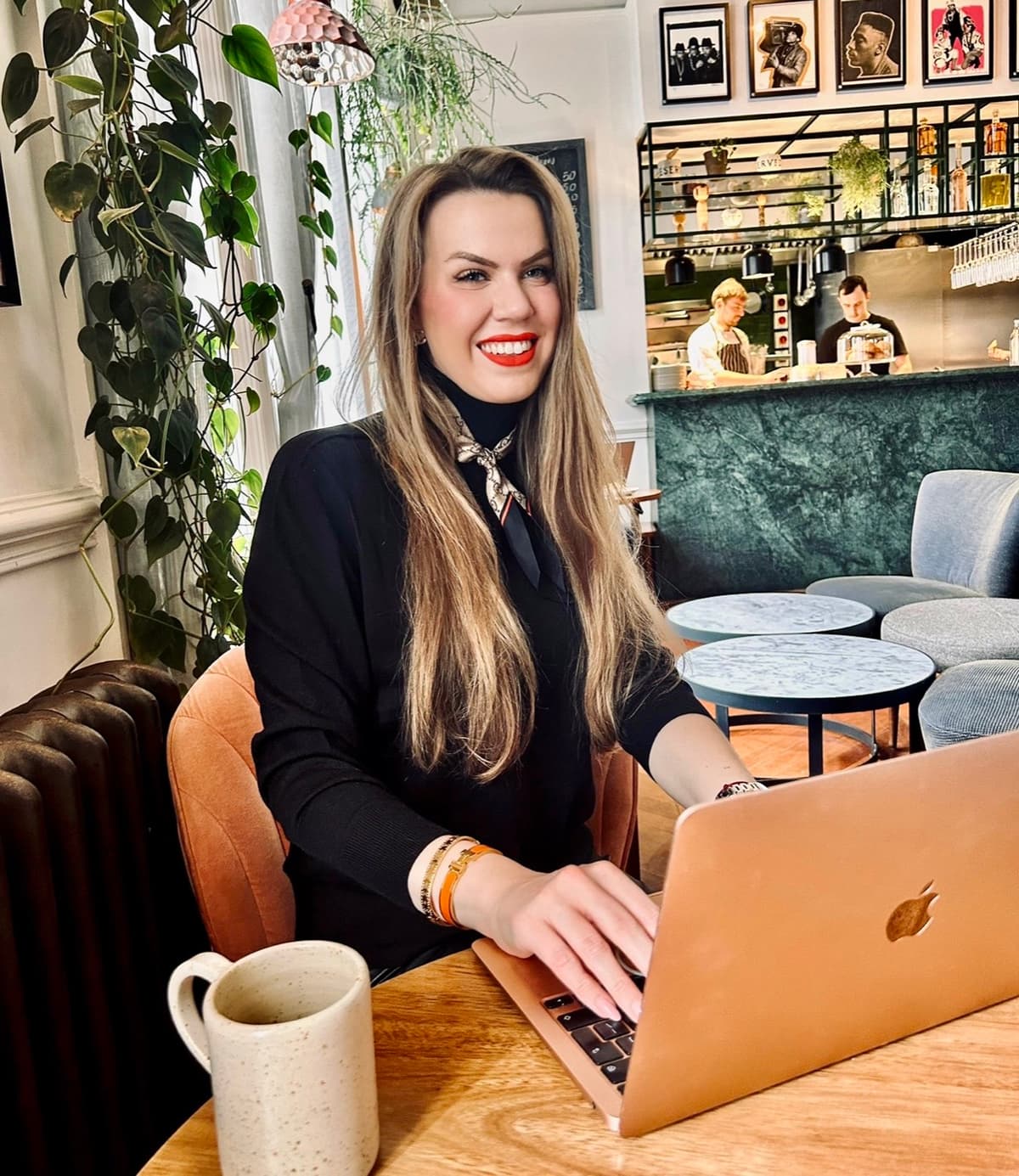
We had the fortune to connect with Nadia Harris, who has been playing a critical role navigating and shaping the future of work. From theoretical headaches to establishing flexible work approaches in line with international laws and customized company policies, she lifts both companies and employees, making them more successful, productive, and satisfied.
Nadia, you have been working with companies globally to set out guidelines around remote work laws and workations. Could you tell us a little bit about what drives you?
I strongly believe that great talent is everywhere, no matter where the people come from or live. Everyone deserves an opportunity to work for a great company. Technology makes this possible. It is all about fostering equal employment access, because it is possible. It is not easy at first glance as it requires a well-developed strategy, but it is definitely the right thing to do. Also, the era of over-incentivizing employees with shallow perks and benefits is no longer the case. People do not want to compromise their personal lives and everything that is important to them, just to commute to an office to drink free coffee or eat free pizza.
Based on your insights and the trends you have observed, what do you think the future holds for remote work? Are there any emerging trends that companies and individuals should prepare for?
When I think about the future of work I see AI playing a significant role in it. And well, AI does not need a place to work. It is already much faster and more efficient than human beings in some areas. Remote work has become a buzzword for many people and, to some extent, I must sadly agree. Work is simply work. The fact where it is done should be secondary. Change is painful, so it will take a while for businesses to understand that they need to reshape their operations towards a fully data-driven and results-based environment. If physical presence is essential for a particular reason, I am totally fine with that, but asking people to commute to spend 8 hours in a cubicle wearing a grey suit is just utter nonsense.
For me this is a clear sign that it is all about the what and how of work, rather than the where.
What are common challenges and struggles companies run into?
Many companies have absolutely no idea what they are even doing (I am not meaning to intentionally insult anyone). They do not know how to measure work in general, track productivity and goals, monitor outputs, nothing. In many cases their decisions rely on proximity bias, which is a syndrome that ensures preferential treatment of those whom we can see. Of course that is the wrong approach, but they are mostly unaware of it. They make decisions based on assumptions, habits and patterns without being able to justify anything in a qualitative or quantitative way. They believe that a one size fits all approach will suffice, just like it did in the industrial era.
Where would you advise them to start?
Start with a simple SWOT analysis. Evaluate your own business model and, based on that, develop an action plan and a strategy. Be agile while implementing change, observe the environment in and out, and be data-driven. Think proactively, not reactively. Ask yourself about the future of your business: what will you work on, where will you find the right talent, and how will this talent work. Gen Z will become the main workforce very soon. They are digitally native. Therefore, forcing them to fit into past patterns is a delusional approach. It will not work even if you introduce a carrot and stick approach. No, do not intentionally set yourself up for failure.
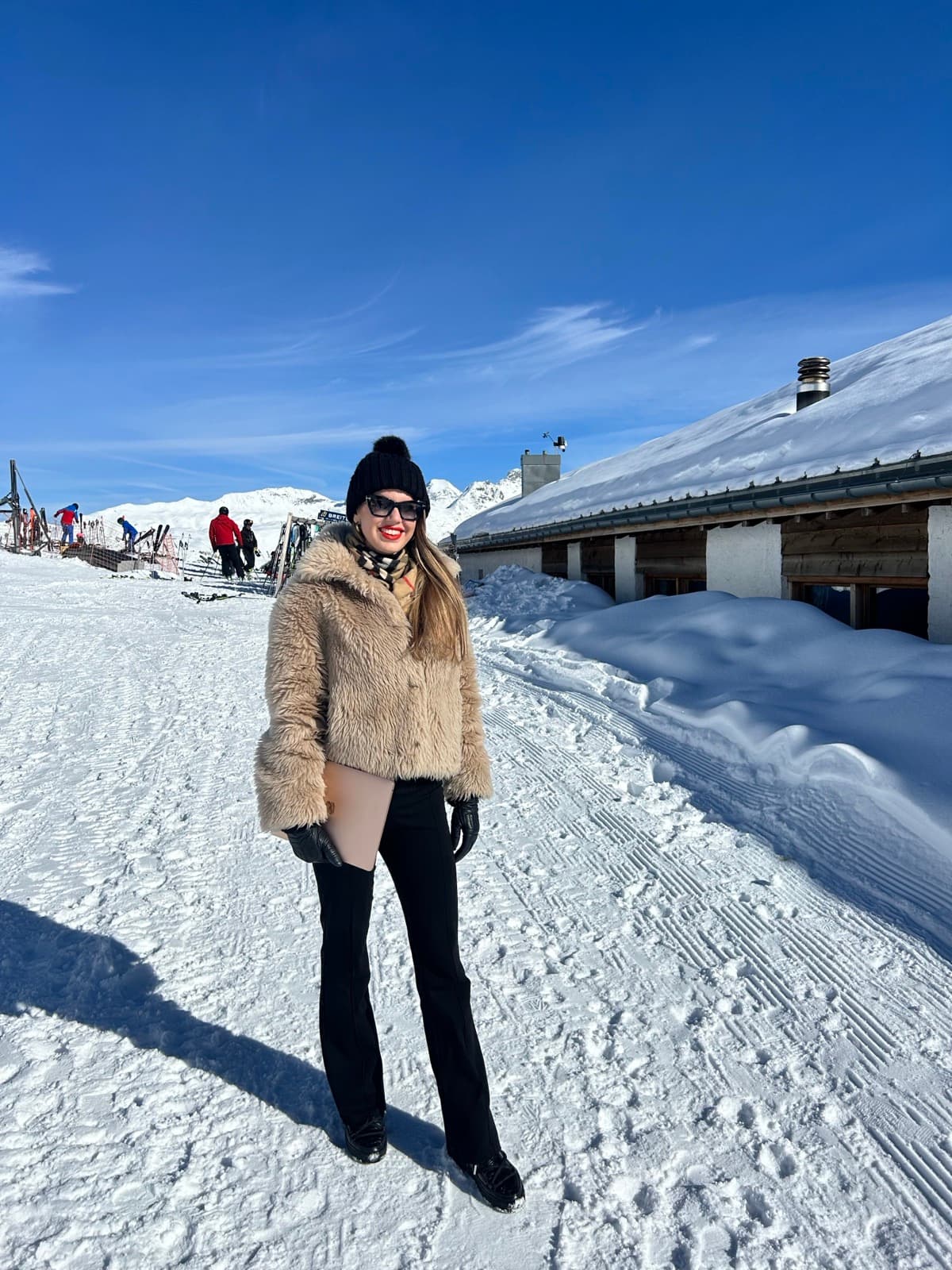
As we are speaking, Nadia is enjoying her workation in Switzerland.
What are the most positive outcomes for both employees and employers?
If remote work is treated as a business model and if it has a clear infrastructure within an organization, it is a win-win situation for both parties. Employers can benefit from a highly productive, traceable working environment, and employees can maximize their productivity by gaining the most beautiful valuable thing in life: choice. The choice to be flexible and to choose where they are most productive. Of course, making this happen requires mutual understanding and maturity that an organization needs to tackle first in order to succeed.
How would you suggest measuring those?
Business revenue speaks for itself, right? 🙂 Honestly, it is all about setting up goals, KPIs and OKRs properly. Additionally, it is essential to stay in touch with the people by conducting pulse surveys, regular brainstorming sessions, and fostering an open communication policy.
For those inspired by your journey from a lawyer to a remote work pioneer, what advice would you give to individuals looking to advocate for remote work within their organizations or as a career path?
Passion is everything. In the beginning some people may think you are crazy, but the more you talk about it, the more data you share, and the more you lead by example, the more people will jump on that very same train of thought. Never stop advocating for something you believe in.
And of course we got very curious. What has been your favourite workation so far?
It is always the UAE and particularly Abu Dhabi. It allows me to focus on deep work and enjoy the surroundings. I absolutely love it!

Nadia's workation habitat and rounds of deep focus.
Thank you for bringing the change, positive energy and growth mindset along, Nadia!
Ready to make remote work a strategic advantage for your team?
Driftawave designs tailor made workations and team offsites that turn flexible work into real connection, productivity, and culture. Schedule a call with us here or reach out via info@driftawave.com.

Brought to you by