The Life of a Digital Nomad Brand Designer

Explore the life of Youri van den Hurk, a digital nomad brand designer balancing creative work with the freedom of remote living across the globe.
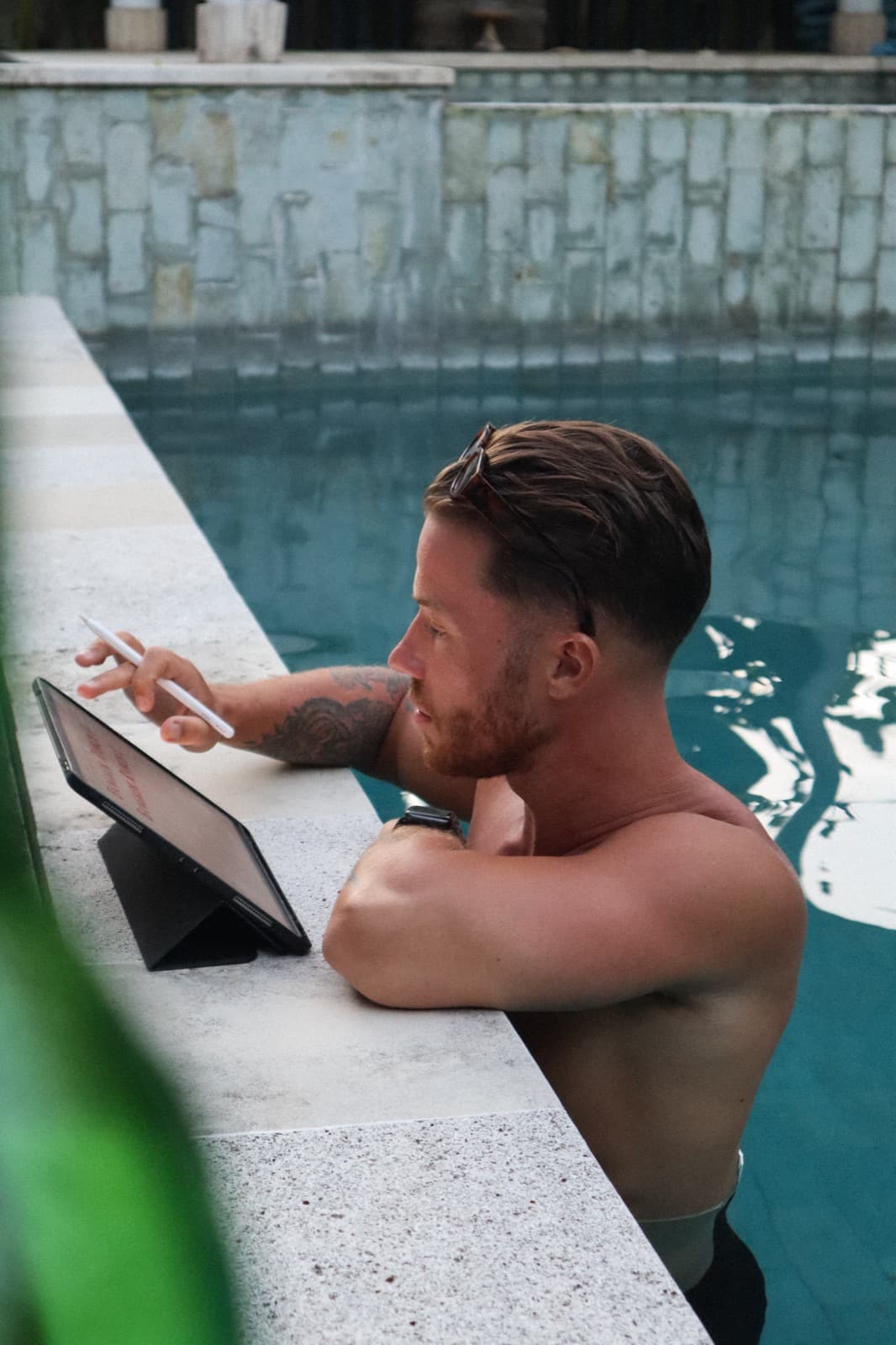
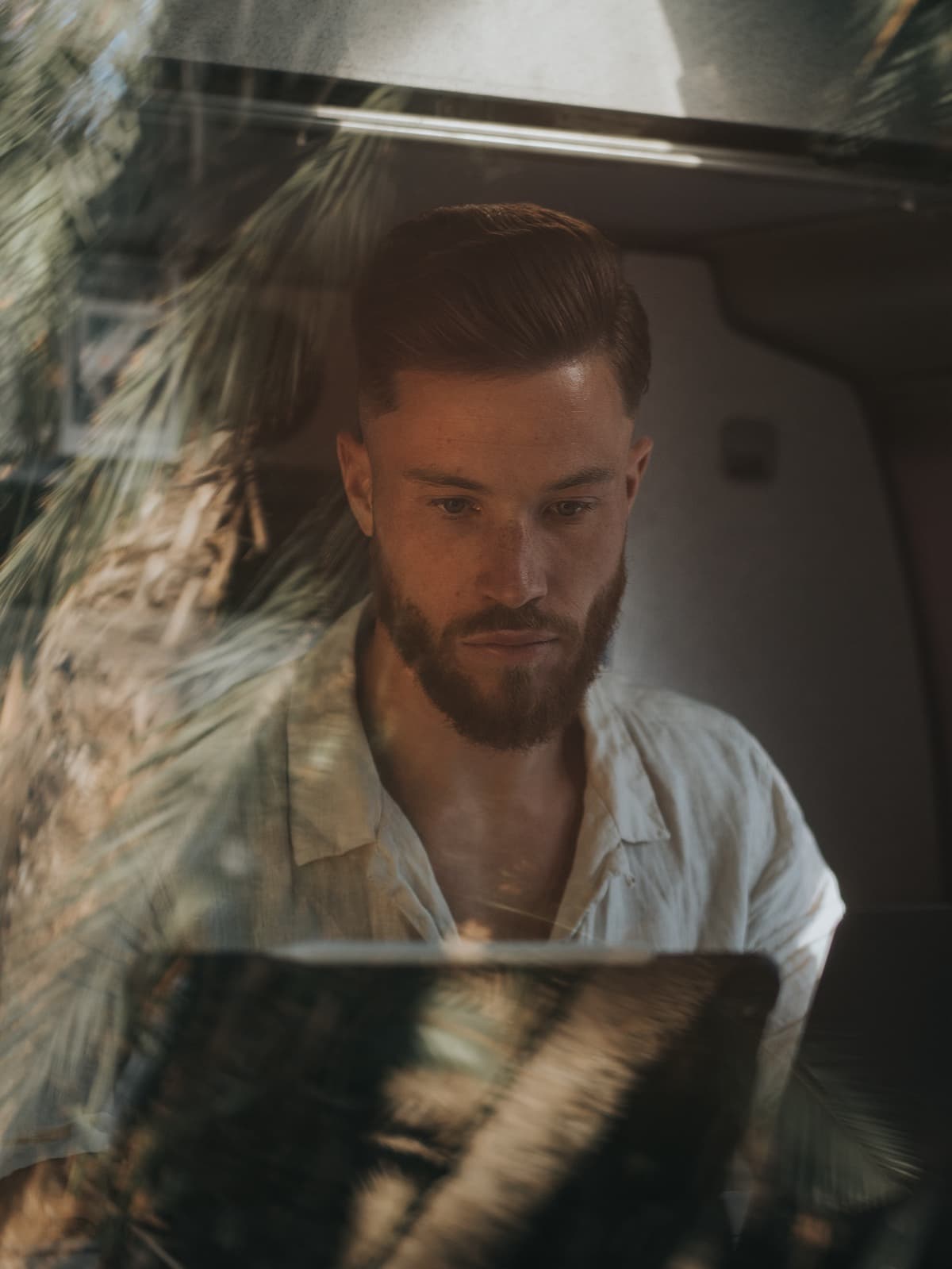
Meet Youri van den Hurk, a freelancing brand designer who identifies as a digital nomad and runs his design business remotely while travelling the world. From backpacking Australia to building brand identities from Portugal, Youri shares his slowmad journey, the tools that keep him productive, and what the digital nomad life really takes.
We go way back, as we used to work side by side in the travel shop in Cairns, Australia. What caused you to go there and take a leap of faith?
I moved to Australia because I had travelled quite a lot and was looking to combine work with travel. I was already a graphic designer, which I have taken to a further degree now being a brand designer. Back in those days in my first few years I was not taking it that serious yet, as I was enjoying the backpacker vibes, having fun, partying, and chasing the sun.
After my Asia trip it got me thinking, what is the country where I can combine work and travel? Ideally something design related.
The answer was Australia on a Working Holiday Visa.
So I applied, got approved and moved to Australia. I looked for a job within the graphic industry and, (un)fortunately, after a very short time I realized that it is a little bit too far-fetched. The working environment in Australia for backpackers is aimed more towards backpacker jobs (as you may call them) and not actual career jobs.
I fell back on my sales experience and found a job as a travel agent, where we met in Cairns at the end of it. Originally I started in Sydney, spent a period in Byron Bay and travelled over the East Coast whilst working for the same company. I absolutely loved it. It was my first real job in a different country, and first exposure to work and travel as a combination.

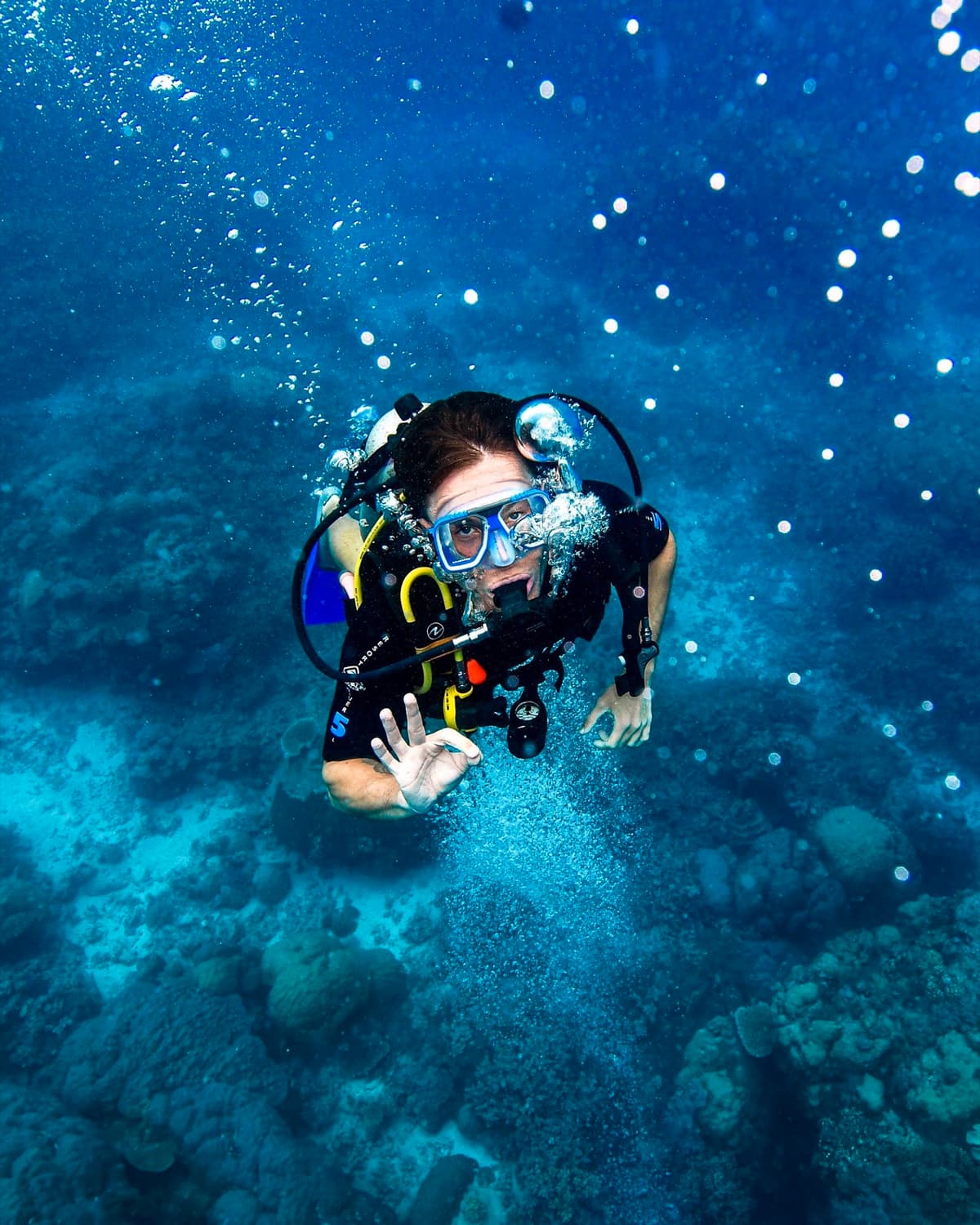
Youri exploring the wonders of the Great Barrier Reef.
What were the main differences between those 3 places you just mentioned?
Sydney is just as any capital, a big city. Luckily Australia has that incredible vibe and amazing culture where people do not take their work home, so after work and focus time you get to maximize life. It still remained a big city causing me to commute, since I was living further away and could not afford living in the city.
Once I got to Byron Bay after the city, that completely changed as Byron Bay is way smaller. I started surfing. Living in a hostel and working for the travel company allowed me to be around a lot of like-minded people of similar age.
Cairns was a mix of the two, as it is not the smallest place and there is a lot going on there. It is a very popular destination for backpackers and tourists exploring activities such as rafting, scuba diving the Great Barrier Reef, hiking in the oldest rainforest and more. I really love Cairns.
You have been running your design company as a freelancer for 8 years now. What has been your most exciting project and what are you currently working on?
The first few years were just a trial run and I kind of just took whatever came on my path. I was designing for friends, friends of friends and the neighbour. Over the last four years I have been professionalising, turning to brand design. Meaning I purely focus on brand identities and anything that comes with that, such as logos, websites, but also strategy.
Recently I completed an exciting project for a cafe and coffee roaster in Portugal, where I live nowadays. Due to passion and extensive travel visiting cafes all around the world, I developed a taste for coffee. This particular client makes speciality coffee, so you can imagine this branding project was one of my dreams in mind.
Normally companies within that industry do not have a very big budget. Surprisingly in a country like Portugal this one did, awesome! I got a lot of freedom to do things differently. We applied the main color blue, which is an odd color for a cafe, but there is a reason behind the choices we have made. It is been built very conceptually and comes together perfectly. It was so much fun making the unique and creative illustrations, combined with a unique typography which is very daring for a local cafe. I will be sharing more about the project on LinkedIn and it will be reflected on my website soon.

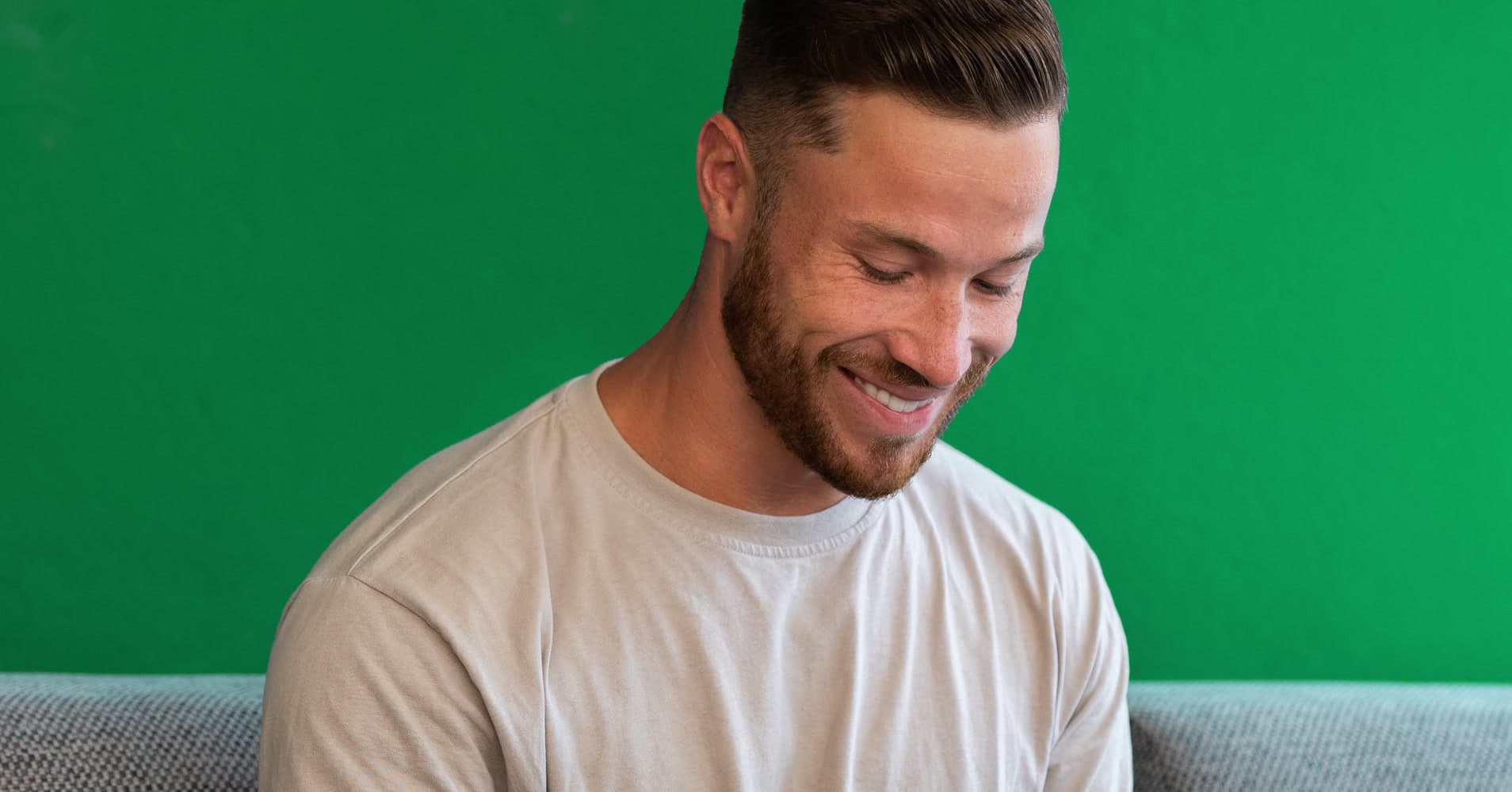
Youri is a brand designer with an extremely focused approach whilst performing incredible active listening.
Where else have you spent your time working remote and travelling extensively?
After graduating art school I went straight to Spain because I had a job lined up there for two months. The job was not design related, yet I combined it with my own design company as a freelancer. Once the job was completed, I started travelling around Asia for seven months visiting Thailand, Laos, Cambodia, Vietnam, Philippines, Indonesia, Sri Lanka, and Bali.
I went back home to The Netherlands for 3 months until I could not bear it anymore. This is when I moved to Australia, combining it with revisiting Malaysia and Thailand for 2 months. Whilst being on the working holiday visa in Australia I met my ex-girlfriend and ended up visiting Asia a third time. It became a trip of 1.5 years in total including a few months in Indonesia, Sri Lanka and India. Very interesting!
When Covid broke out I was visiting New Delhi in India, the capital of chaos by itself. Things got really hectic as you can imagine. We got very lucky the Dutch embassy organised a flight, as none followed for the upcoming 3 or 4 months. We spent some time in The Netherlands where I was working at a recruitment company for several months, which I did not really enjoy. I have mainly worked for myself so it was very hard for me.
After that period I was finally free again.
We moved to Berlin because my ex-girlfriend is German. We did that for about a year, eventually going our own way as we broke up. She had a different view on what she wanted to do with her study and I just wanted to keep combining work and travel.
Where could I go next? The choice was Malaga, because that was still within Europe. Covid was not fully over yet, so I could not go far away. And that is where I met my girlfriend, my partner who I am still with.
We fell in love. I travelled to Mexico after that, something I have always wanted to do, then South America, and Anne followed me. That is when we both started traveling and working together, as she also works as a digital nomad being a personal trainer and a nutrition coach.
We spent about a year in South America, of which 6 months in Mexico, followed by Colombia, Peru, and a short visit to Curacao in between. After a quick visit to the family at home we headed back to Asia, spending time in Indonesia, both Bali and Lombok for seven months. Followed by Spain where I had a job lined up for two months. We decided to finally settle down a bit, making Portugal our home, bringing us to our current timeline as we have been here for half a year now. We recently visited Cape Town, South Africa in between for a short work trip counting three weeks.

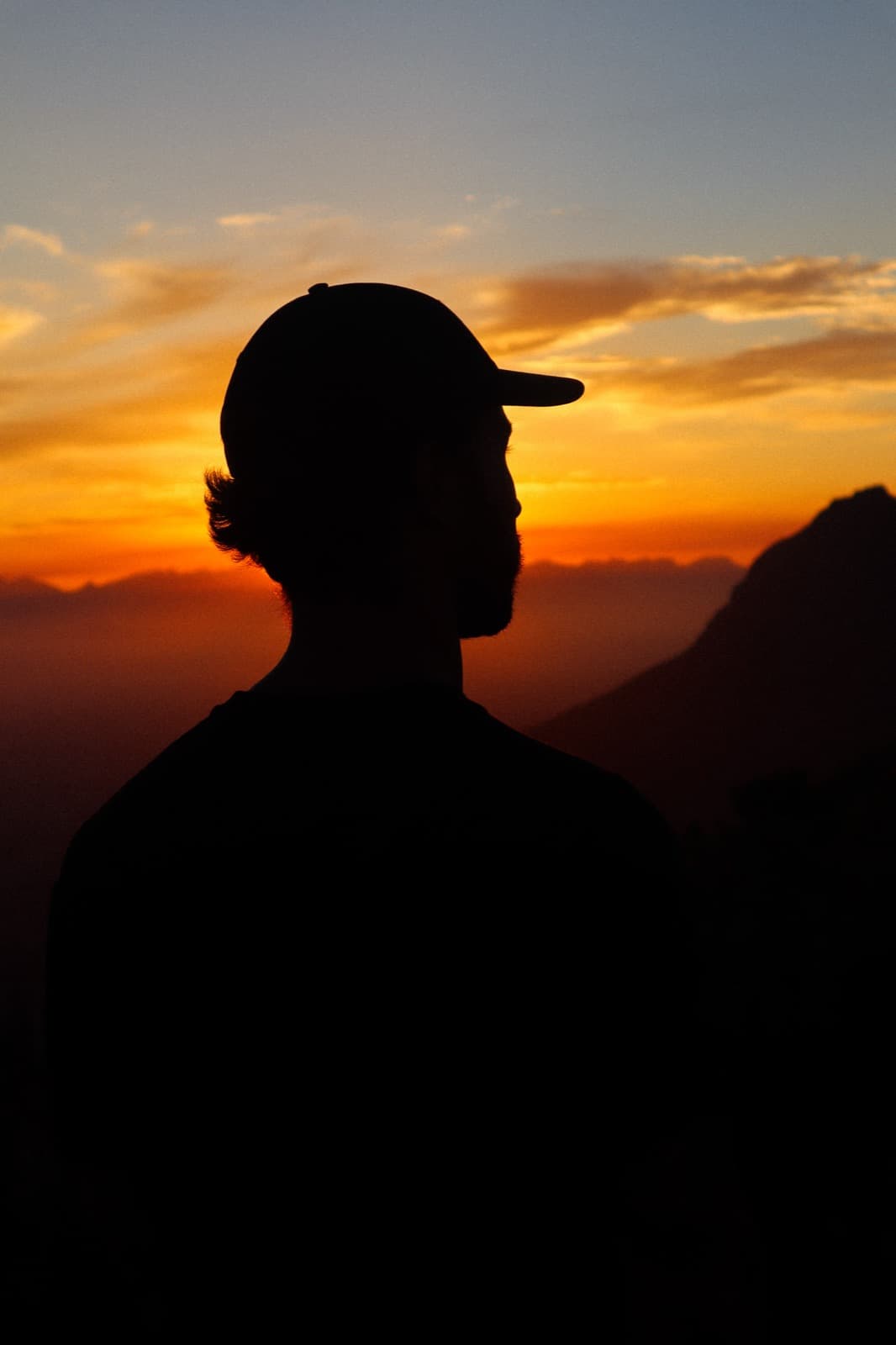
Lion's Head magic in South Africa.
You have travelled extensively and, like many more digital nomads, you have decided to slow down a bit. The term slowmads was born.
Yeah, what you are saying is interesting because we also noticed that in the last year travelling together we would slow down way more. We settled down in places for one to two months at least. It got too tiring being in a place for just a few days or a week, then having to move again whilst combining that with work. People underestimate how hard it is to constantly move to a new place and all things that come with it, having to find your way, finding a new gym, a new supermarket, deciding what or where to eat. Those decisions come back every single day. But you also have work to do, so it is hard. Hence we started to do the whole slow dance, not as slow as most, but still like two months in a place.
We have become even slower and went to Portugal. Within Portugal we already lived in Lagos prior, and currently in Burgau, the Algarve. It is definitely nicer to work and have the ability to focus in a place like this, instead of being on the run constantly. You have to find a balance in between those things.
What makes you love to work remote so much, and what are absolute benefits for you?
It is the freedom and the flexibility. How amazing is it that you are able to visit the beach after a full workweek. When we were in South America we had salsa classes on our bare feet after work. In the morning or during my lunch break I go for a surf, and I still do that in Portugal. That is literally the essence of it, the benefit of being a digital nomad. The flexibility it gives you to be able to explore, see new places and experience new food and cultures, whilst creating your normal work.
It is hard at times but it comes with such an incredible experience, lifestyle and quality of life. It is worth it in every single way.

Hard to beat the Bali vibes.
What are any other challenges you found?
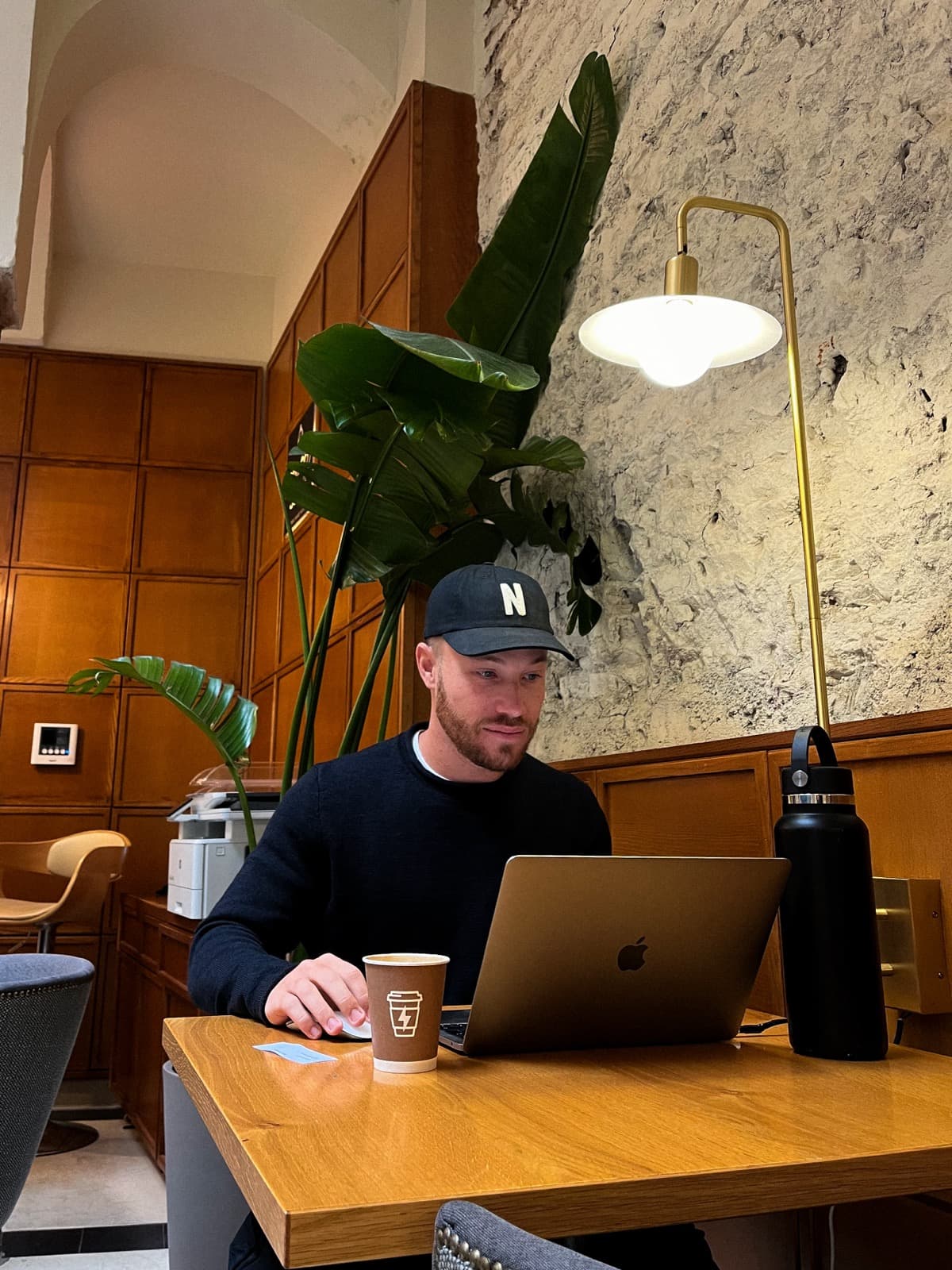
The usual bad seating, bad desks, bad internet, and different time zones. Sometimes you want to have a meeting yet it is just such an unfortunate time, because it is dinner time in the country you are visiting. My girlfriend will have a meeting after dinner very often because she works with American clients. It is fine knowing that is the price you pay, I guess it is all worth it.
How do you make sure to remain productive?
Creative software for work like Figma and Adobe. I can easily jump into the files and share them with my clients in a live meeting.
I used Calendly but switched to Cal.com, which allows people to see my agenda whilst aligning their own calendars.
Main tool for my leads would be LinkedIn. That is where I post. That is where I share my content. You have to remain top of mind, otherwise people just forget about you.
I use the Google Suite for everything else. Chrome, Meets, chat with some clients, agenda.
How would you describe the term digital nomad? Do you identify yourself as one?
Oh yeah, this is a hard one. In my opinion you have a digital nomad, the remote worker, the hybrid worker, and the person that works in the office.
- The person that works in-office I think is pretty obvious. Some work as a freelancer from his or her own office, others work for an employer.
- The hybrid worker is someone that thinks and hopes he or she is a digital nomad or a remote worker. But unfortunately they still call them back to the office. It does not give you much freedom, you still really rely on the place you are in.
- The remote worker is someone that gets the freedom and flexibility to go on a trip for a few weeks, or maybe even a month, to work from somewhere else. Very often that is in one place and he or she does not really travel around much. It has to be stable and organized very well.
- And then there is the digital nomad, the person that just fully decides themselves where they are and when the work gets done preferably. So mostly freelancers, but also people that work for one big client, or people that work for a company. In the last case you obviously have to consider the right times and schedule, so travelling around becomes a little bit harder.
What about people who have a corporate job, and can work from anywhere (WFA)?
I would say that is a remote worker. They can be considered a digital nomad too, but it kind of depends on how much freedom the company gives you. I know digital nomads working for an employer or company, it is just harder to get by. There is always a fine line in between them. It also does not really matter. It is mostly what you are comfortable with, and what your potential client or boss is comfortable with. You just need to work it out, as the most important part is communication.
For example there is a large number of creatives being digital nomads, such as marketers and designers, but also a large group of recruiters.
Where are you travelling next, Youri?
I do not know, this is the most settled I have ever been in the past 5 or 6 years. As you have just heard my timeline, this is all very new to me and scary in a way because I am buying actual furniture. That scares me because I do not want to be stuck with stuff that I will not be able to bring along, as I want to be able to move at one point again. But in a way I am also embracing it, and I have already spoken with Anne who also definitely feels the urge to travel again in the future. We might be here for a year, we might be here for 2 years. Eventually we might get a storage box, put all our stuff in there, and pay a monthly fee so we can still regain our belongings. If we ever come back this will be the base, being digital slowmads.
Most definitely we will get back to travelling, but for now we are enjoying the serenity, the peace and stability of just having a little bit more of a home base.
How have you been meeting other like-minded individuals or communities?
In Cape Town, literally a week ago, we were playing beach volleyball through a very cool concept which is called beach volleyball with friends. A group of young people, digital nomads, and entrepreneurs who meet up on the beach every Thursday. Networking, playing sports and trying to match it with the evening party.
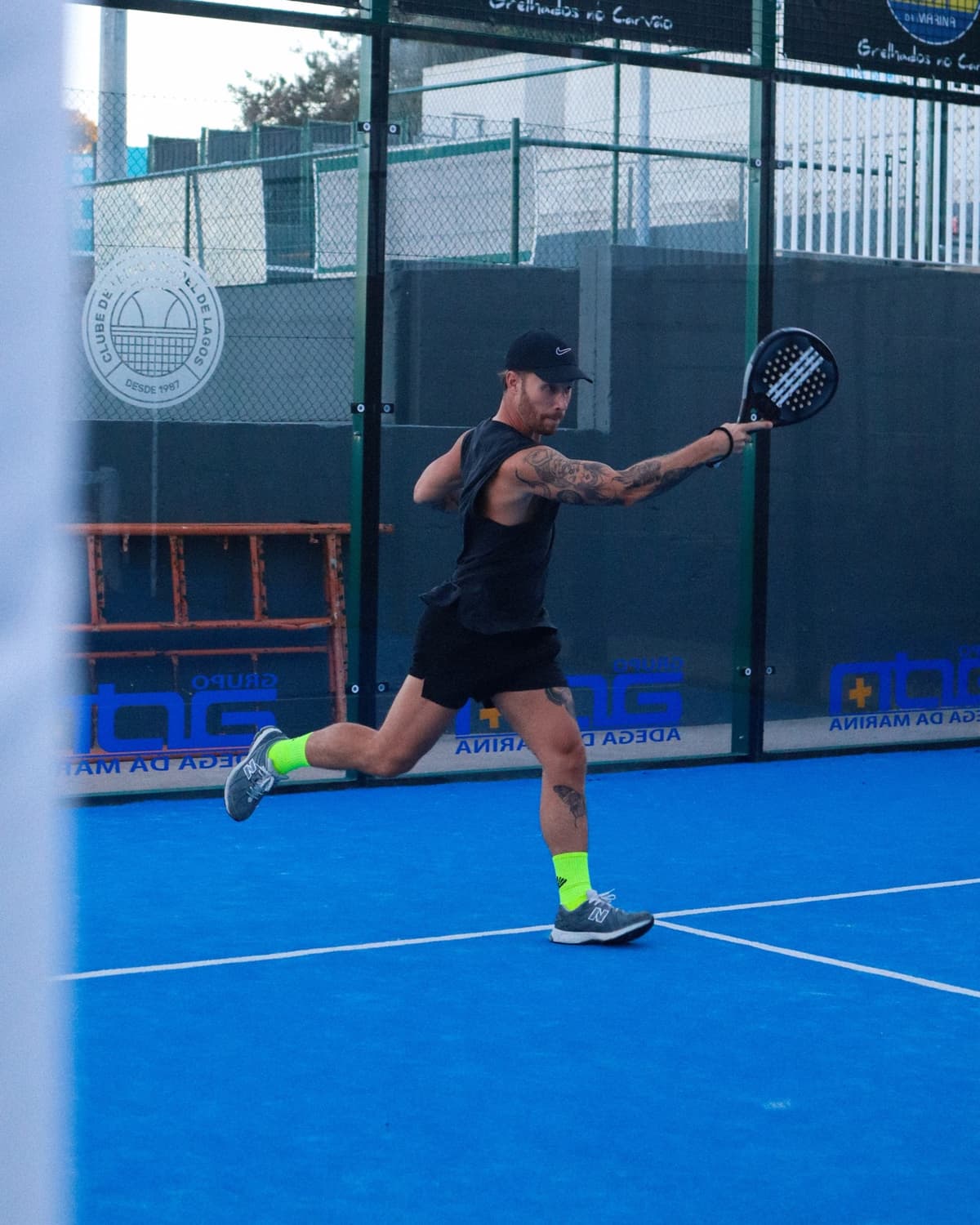
In Portugal I have joined a group of digital nomad girls that I knew from my time in Lagos. We play padel together and I have become friends with the owner of the establishment.

Being active outdoors performing sports such as padel and surf are the true game changer.
Every week I go surfing with a couple of new friends. Some connections are made through Facebook groups and WhatsApp groups. Get into any group you can find, or just ask anyone really. As a result, one of these groups has invited me to talk on stage about design at a digital nomad event.
Why have you recently moved your company to Portugal, away from the Netherlands?
For multiple reasons, it is hard to decide where you should be established and where you should pay taxes. It is always a hard one because where do I even live? I do not know where I will be in a few years. So you are always in between what is beneficial for me, what is logical and what is fair? Moving the company registration to Portugal makes a lot more sense because I am going to be living here for a longer period of time now.
How would you arrange your travel insurance being a digital nomad?
Especially Dutch people are overly focussed on insurance. They want to ensure everything is in order and we are very obsessed with that. There are loads of great options out there that can provide health insurance all over the world, no matter where you are from. So it does not matter where you live or where you are.
Genki is a great choice being an international travelling digital nomad, as it does not matter where you are from. If you are Dutch, the Allianz Globetrotter is a great option.
To top things off, what are your 3 favourite destinations around the world?
It really depends on what you are looking for, and it depends on your mood. If you want to chill and have the most amazing co-works around you, the most amazing food and sunshine, there is plenty of good options like Bali. Bali is amazing for that. But if you do not want to be stuck in traffic and be surrounded by other expats, then Bali is not great. Same goes for if you are very adventurous and want to explore, India is amazing. But I would not settle down there for a couple of months to work.
- I really loved my time in Australia.
- I really loved my time in India because not many people have been there, it is quite cool.
- And my time in Colombia, Medellin is pretty amazing.
In general South America, I really like it. I plan to go back there next winter when it gets a little bit colder in Portugal. We will just go for 3 or 4 months and settle down by a nice Mexican beach, Argentina or Brazil.

Don't forget to connect with this talented man.
Ready to plan a workation for your remote team?
Driftawave designs tailor made workations and team offsites for remote-first teams and creatives, built around your objectives, needs, and desires. Schedule a call with us here or reach out via info@driftawave.com.
TL;DR
- Youri van den Hurk runs a brand studio from wherever he lands, now Portugal, after years through Australia, Asia and South America.
- He went from grabbing any gig to focused brand identity work, logos, websites, and the strategy behind them, and has grown a team along the way.
- His big lesson? Slow down. Two months per place beats two days. Less burnout, sharper work.
- The hard parts are shaky internet, makeshift desks, and time zones. The payoff is freedom, flexibility, and a surf or padel break most days.
- His kit for staying sharp on the road: Figma, Adobe, Cal.com, LinkedIn for leads, and Google Workspace.
- His take: digital nomad, remote worker, or hybrid, it comes down to how much freedom you have, and clear communication is what makes it work.